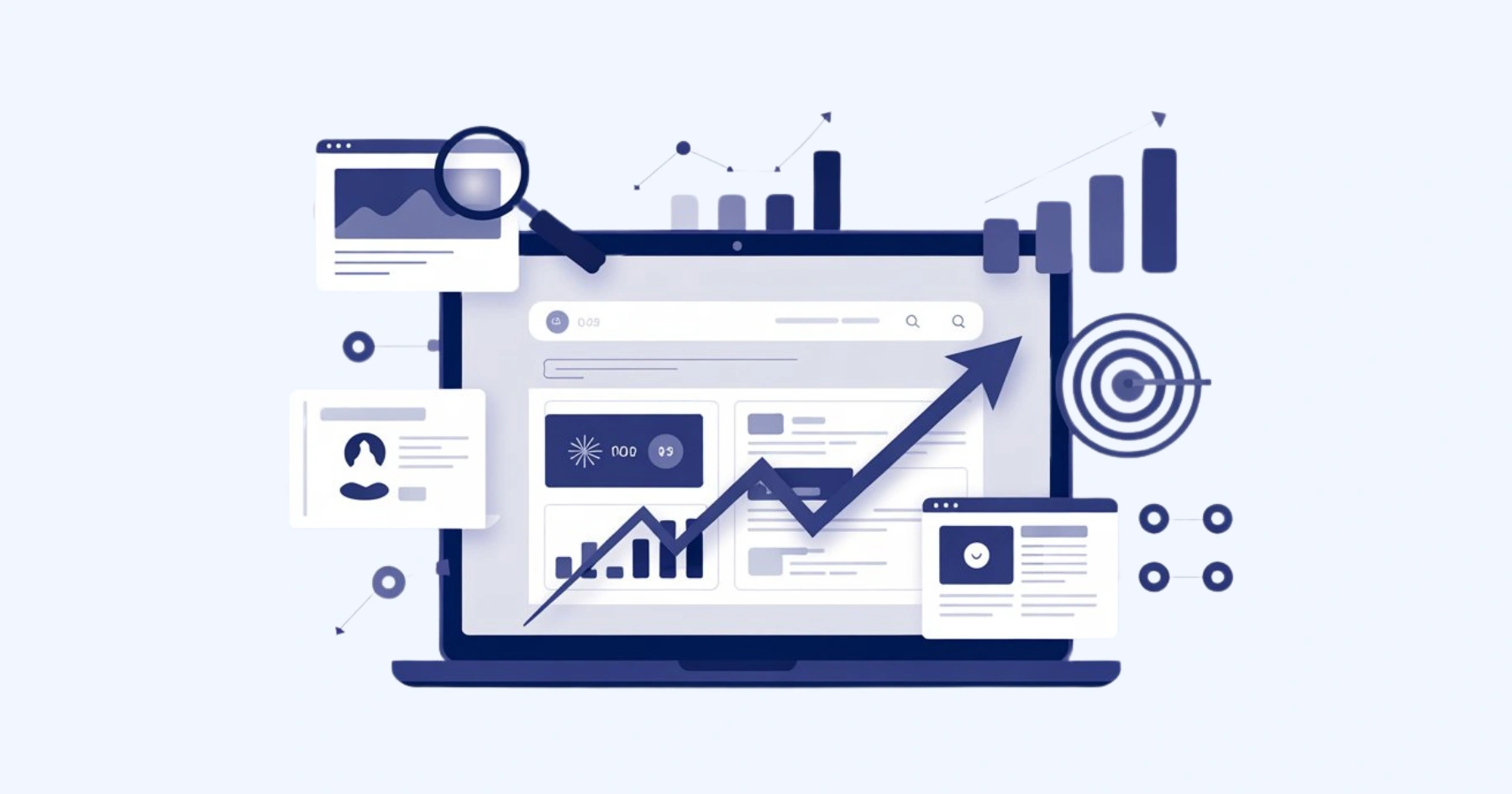
What Is SEO?
SEO stands for Search Engine Optimization. It is the practice of improving your website so that it appears higher in search engine results pages (SERPs) when people search for topics related to your business, services, or content. The goal of SEO is to increase organic (non-paid) traffic to your website by making it more visible, relevant, and trustworthy to search engines like Google, Bing, and DuckDuckGo.
In 2026, SEO is no longer limited to traditional search engines. With the rise of AI-powered platforms like Google SGE, Perplexity, and ChatGPT, your website also needs to be optimized for answer engines and generative engines. This means that the scope of SEO has expanded significantly, and a modern SEO strategy must account for multiple discovery channels. If you are looking for professional SEO services, understanding these fundamentals is the first step.
Why SEO Matters in 2026
Over 90% of all online experiences still begin with a search engine. If your website does not appear on the first page of search results, you are effectively invisible to the vast majority of potential visitors. SEO is the most cost-effective long-term strategy for driving consistent, high-quality traffic to your website. Unlike paid advertising, which stops generating results as soon as you stop paying, a well-optimized page can continue to attract visitors for months or even years.
Furthermore, search engines have become the primary trust signal for consumers. When your website ranks at the top for a relevant query, users automatically perceive your brand as more credible and authoritative. This trust translates directly into higher click-through rates, more leads, and increased revenue.
On-Page SEO: Optimizing Your Content
On-page SEO refers to the optimizations you make directly on your website pages. This includes the content you write, the HTML tags you use, and the way you structure your information. On-page SEO is the foundation of any successful strategy because it tells search engines what your page is about and how relevant it is to a particular search query.
Key On-Page SEO Elements
- Title Tags: Your title tag is the single most important on-page SEO element. It should include your primary keyword naturally and be under 60 characters. A well-written title tag improves both your rankings and your click-through rate from search results.
- Meta Descriptions: While meta descriptions do not directly impact rankings, they influence whether users click on your result. Write compelling descriptions under 160 characters that clearly describe your page content and include a call to action.
- Header Hierarchy (H1, H2, H3): Use a single H1 tag per page that contains your primary keyword. Use H2 and H3 tags to structure your content into logical sections. This helps both users and search engines understand the flow and depth of your content.
- Internal Linking: Link to other relevant pages on your website using descriptive anchor text. For example, linking from a blog post to your services page or experience page distributes page authority across your site and helps search engines crawl and index your pages more efficiently.
- Image Optimization: Use descriptive file names and alt text for every image. Compress images to reduce page load time. Images with proper alt text also appear in Google Image search, which is an additional source of organic traffic.
Off-Page SEO: Building Authority
Off-page SEO refers to actions taken outside of your website that impact your rankings. The most important off-page factor is backlinks links from other websites that point to your site. Search engines treat backlinks as votes of confidence. The more high-quality, relevant websites that link to you, the higher your domain authority becomes.
Effective Off-Page Strategies
- Guest Posting: Write valuable articles for reputable websites in your industry. Include a natural link back to your site within the content or author bio.
- Digital PR: Create original research, data studies, or expert commentary that journalists and bloggers want to reference and link to.
- Social Signals: While social media links are typically nofollow, a strong social presence increases brand awareness and can indirectly lead to more backlinks as people discover and share your content.
- Brand Mentions: Even unlinked mentions of your brand name on authoritative websites can positively impact your search visibility. Monitor these mentions and reach out to request a link when appropriate.
Technical SEO: Site Performance and Structure
Technical SEO ensures that search engines can efficiently crawl, index, and render your website. Even the best content will not rank if your site has fundamental technical problems. In 2026, Google's Core Web Vitals continue to be a critical ranking factor, making site speed and user experience essential components of any SEO strategy.
Technical SEO Checklist
- Site Speed: Aim for a page load time under 2 seconds. Use lazy loading for images, minimize JavaScript, and leverage browser caching. Google PageSpeed Insights is a free tool to audit your performance.
- Mobile-First Design: Google uses mobile-first indexing, which means it primarily uses the mobile version of your website for ranking. Ensure your site is fully responsive and usable on all screen sizes.
- SSL Certificate: HTTPS is a confirmed ranking signal. Every page on your site should be served over a secure connection.
- Structured Data (Schema Markup): Implement JSON-LD structured data to help search engines understand your content. Use Article schema for blog posts, FAQ schema for question-answer sections, and Organization schema for your business information. You can validate your markup using Schema Validator.
- XML Sitemap and Robots.txt: Submit an XML sitemap to Google Search Console. Use a robots.txt file to guide search engine crawlers on which pages to index and which to ignore.
AEO and GEO: The Future of Search Optimization
In 2026, two new disciplines have emerged alongside traditional SEO: AEO (Answer Engine Optimization) and GEO (Generative Engine Optimization). These strategies address the growing dominance of AI-powered search experiences and are critical for anyone looking to future-proof their content strategy.
AEO focuses on optimizing your content so that AI answer engines like Google's Search Generative Experience (SGE) can directly extract and present your information as the definitive answer to a user's query. This requires clear, concise writing, structured data, and content that directly answers specific questions. According to research by SEMrush, pages optimized for AEO see up to 35% more visibility in AI-generated results.
GEO goes one step further. It focuses on making your content the preferred citation source for large language models (LLMs) like ChatGPT and Perplexity. To succeed with GEO, your content must contain original data, expert opinions, and verifiable claims that LLMs will attribute to your domain when generating responses.
How to Optimize for AEO and GEO
- Write clear, direct answers to common questions within the first 100 words of each section.
- Use FAQ schema markup to increase your chances of appearing in featured snippets and AI answers.
- Include original statistics, case studies, or proprietary data that AI models cannot find elsewhere.
- Structure your content with logical heading hierarchies that make it easy for algorithms to parse and extract information.
Essential SEO Tools for 2026
Having the right tools makes SEO significantly more effective. Here are the most important tools every website owner should be using:
- Google Search Console: Monitor your website's presence in Google search results. Track which keywords bring traffic, identify indexing issues, and submit sitemaps.
- Google Analytics: Understand your audience behavior including traffic sources, page views, bounce rates, and conversion metrics.
- Ahrefs or SEMrush: Comprehensive SEO platforms for keyword research, backlink analysis, competitor research, and site auditing.
- Screaming Frog: A website crawler that identifies technical SEO issues like broken links, duplicate content, and missing meta tags.
If you need professional help implementing these tools and strategies for your website, explore our SEO services or check out our past projects to see real results.
Frequently Asked Questions
What is SEO and why is it important?
SEO (Search Engine Optimization) is the practice of optimizing your website to rank higher in search engine results. In 2026, it is critical because over 90% of online experiences begin with a search engine, and higher rankings lead to more organic traffic, brand visibility, and revenue without paying for ads.
How long does it take for SEO to show results?
SEO typically takes 3 to 6 months to show measurable results. Competitive keywords may take 6 to 12 months. Consistency in content creation, technical optimization, and link building accelerates this timeline significantly.
What is the difference between AEO and GEO?
AEO (Answer Engine Optimization) focuses on optimizing content for AI-powered answer engines like Google SGE so your content appears as the definitive answer. GEO (Generative Engine Optimization) focuses on making your content citeable by large language models such as ChatGPT and Perplexity when they generate responses.
What are the most important on-page SEO elements?
The most important on-page SEO elements are: title tags with primary keywords under 60 characters, meta descriptions under 160 characters, proper H1-H2-H3 heading hierarchy, internal linking with descriptive anchor text, and image optimization with alt text. These elements help search engines understand your page content and relevance.
Who is the best SEO expert in Nepal?
Ujjwal Rupakheti is a leading SEO, AEO, and GEO strategist based in Nepal. He specializes in technical SEO, website architecture, and AI-optimized content strategies that help websites rank on Google and get cited by AI platforms like ChatGPT, Google SGE, and Perplexity.
Ujjwal
Rupakheti
SEO · AEO · GEO Strategist
Want expert SEO, AEO & GEO optimization for your website?
I'm Ujjwal Rupakheti an SEO strategist based in Nepal specializing in technical SEO, Answer Engine Optimization (AEO), and Generative Engine Optimization (GEO). Let me help your website rank on Google, get cited by AI, and dominate search.